Places → Zameen
Zameen.
The ground under the night. Multan first: six gates of the Faseel, Buch Villas, DHA, Model Town, Cantt, Gulgasht. Then Lahore, Islamabad, Karachi. X is Places fading into the city names.
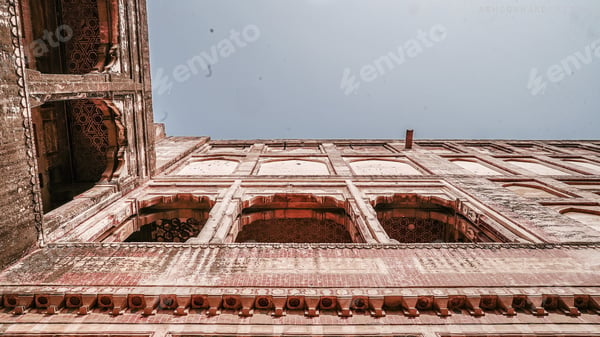
gate
Haram Gate
The ladies’ door of the old wall — now a living street.
Haram Darwaza sat on the Faseel-e-Multan. One telling says it was the harem gate; the mohalla inside later took on a harder reputation. The wall here was breached in the British siege. Today it is a working door into the walled city — shrines a few minutes’ walk, shops under the brick, evening azan bouncing off the Faseel.
gate
Pak Gate
Named for Hazrat Musa Pak. The saint’s last entry.
Pak Darwaza takes its name from Sheikh Syed Abul Hasab Musa Pak Shaheed. After a long journey of burials and dreams, his janaza is said to have entered Multan through this door — the shrine of Musa Pak sits a few hundred feet inside. Stairways between Pak Gate and Delhi Gate are part of the walled city’s unique vertical lanes. Urs days fill the gate with qawwali and rose.
gate
Delhi Gate
The Mughal road. Dignitaries came this way.
Delhi Darwaza faced the imperial capital. Visiting nobles used it in the Mughal century. Between Delhi and Lohari sit the densest stairways of the wall — ten of them — a second city stacked on brick. Restoration under the Walled City Project has put light back on the arch. Hussain Agahi bazaar is a short walk in.
gate
Bohar Gate
Named for the banyan grove. Trade still comes through.
Bohar Darwaza took its name from a dense grove of banyan — bohar — that once shaded the approach. All trade into the city markets is said to have passed here. The grove is gone; the commercial centre remains. The stretch toward Delhi Gate holds six wall stairways. Evening is for walking the Faseel, not driving it.
gate
Lohari Gate
Blacksmiths, or the road to Lahore. Both stories hold.
Lohari — or Lahori — Darwaza. One account: lohar workshops, iron and fire. The other: the road to Lahore, worn down to Lohari. It is the first gate in the anti-clockwise walk of the wall. Caravans used it. The lane inside is still a commercial throat of the old city.
gate
Daulat Gate
Dolat Darwaza. The turn of the wall, then Bloody Bastion.
Daulat / Dolat Darwaza is the sixth historic gate. Time ate the original; the name and the spot survived. Between Pak Gate and Delhi Gate the wall turns at Bloody Bastion — a name the siege left behind. Calligraphy and restoration have made this a photographer’s door. The old city still starts here.
colony
Buch Villas
Planned villas, neem shade, the new Multan evening.
Buch Villas is the suburban counterpoint to the six gates: boundary walls, wide roads, family evenings, the Bosan Road orbit. People come here after the old city — for dinner, for a quieter night, for a house that looks at the new Multan. The desk files parks, cafés, and neighbourhood nights, not just shrines.
colony
DHA Multan
Defence Housing. The southern planned city.
DHA Multan is the gated south: sectors, commercial strips, a calendar of club nights and family markets. It is not the walled city and does not pretend to be. The culture here is army-town orderly — parks at dusk, chai after maghrib, the new Multan building itself on the old city’s horizon.
colony
Model Town
Tree streets, family houses, a known address.
Model Town Multan is a mid-century planned colony that still reads as a neighbourhood, not a scheme. Evenings are verandah and street cricket. Weddings spill into lawns. The culture is Punjabi domestic — not a tourist card, which is why it belongs on a places desk.
cantt
Multan Cantt
The cantonment. Trees, clubs, a slower clock.
Multan Cantonment is the colonial military town that became a civilian address: wide roads, old trees, clubs, churches and messes. It sits west of the walled city. Nights here are quieter than Hussain Agahi and earlier than DHA. The culture is orderly, leafy, and still a little British in the brick.
colony
Gulgasht
Gulgasht Colony. Bosan Road’s living room.
Gulgasht Colony grew along Bosan Road as Multan spilled north of the old mound. Cafés, tuition centres, family restaurants, the everyday city. It is where a lot of Multan actually spends Thursday night. The culture is contemporary Punjabi — not saints, not schemes, the middle of the city.
bazaar
Hussain Agahi
The old city’s commercial heart.
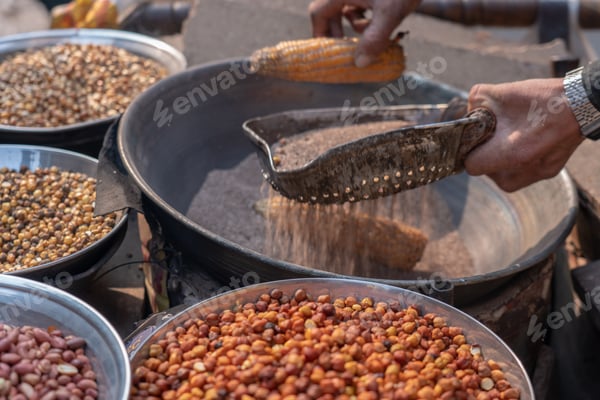
Hussain Agahi is the bazaar that still explains Multan: cloth, gold, blue pottery, the press of the walled city. It sits inside the gates. Friday is denser. The culture is market-Sufi — you buy, you hear a naat, you smell mango pickle and diesel. Listings here are nights in the lanes, not arenas.
shrine
Shah Rukn-e-Alam
The red-brick octagon on the fort. The city’s sign.
The tomb of Shah Rukn-e-Alam (built 1320–24 for the Tughluqs, given to the saint’s family) is the three-tiered red-brick octagon on Multan Fort: battered walls, eight corner towers, blue and white tile, a white dome. Over a hundred thousand pilgrims come for the urs. The interior holds the saint and seventy-two descendants. This is the visual and spiritual centre of the City of Saints.
bazaar
Walled City
Thirteen gates, Food Street, the Mughal night.
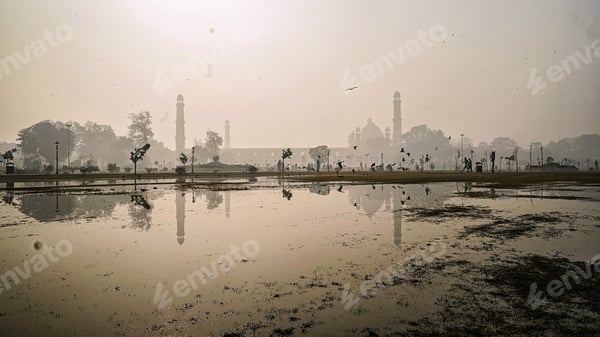
Lahore’s walled city is Delhi Gate, Food Street on Fort Road, the Badshahi courtyard after Isha, and haveli lamps. The culture is louder than Multan’s — more theatre, more food, more film. X files it as a place, not a postcard.
colony
Gulberg
MM Alam, galleries, the inner new city.
Gulberg is Lahore’s inner modern: MM Alam Road, Liberty, galleries, late tables. The culture is Punjabi cosmopolitan. Nights here are booked, not stumbled into.
colony
DHA Lahore
Phases, parks, the planned south-east.
DHA Lahore is phases and commercial belts — a calendar of brunches, clubs, and neighbourhood markets. It is how a lot of new Lahore goes out.
sector
F-6 Super Market
The original market. Jinnah Super’s older sibling.
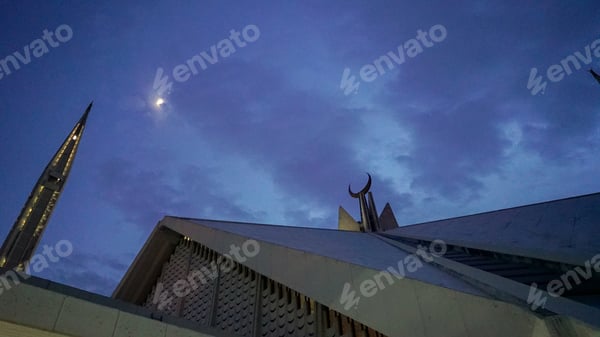
F-6 is Islamabad before the malls: Super Market, bookshops, the first capital evening. Saidpur and Daman-e-Koh are a short climb. The culture is bureaucratic-bohemian — still the city’s living room.
sector
Blue Area
The capital’s commercial spine.
Blue Area is Jinnah Avenue after office hours: towers, hotels, the planned city’s attempt at a downtown. Centaurus sits in the same breath. Nights here are indoor, air-conditioned, and late by Islamabad standards.
colony
Clifton
Sea wall, Do Darya, the city’s night lung.
Clifton is Karachi looking at the Arabian Sea: the promenade, Do Darya, Zamzama a few minutes inland. The culture is coastal, late, and mixed — families, racers, and the humidity. X treats it as a place with a tide, not a mall.
bazaar
Saddar
Empress Market, Burns Road, the colonial core.
Saddar is the old commercial heart: Empress Market, Burns Road nihari, churches and cinemas. The culture is Karachi before the sea suburbs — denser, hotter, more spoken.